-

- 0879: Identification of Protein Signatures Tracking Changes of Disease Activity of PsA Disease Domains and Improvement With Deucravacitinib Treatment in Phase 3 Clinical Studies
-
W311 A-D0879
Vinod Chandran1, Shangzhong Li2, Oliver FitzGerald3, Philip Mease4, Lihi Eder5, José Scher6, Christopher Ritchlin7, Dafna Gladman8, Walter Maksymowych9, Chun Wu2, Sarah Harris10 and JInqi Liu2 Affiliations: 1Gladman Krembil Psoriatic Arthritis Program, Schroeder Arthritis Institute, University Health Network, Institute of Medical Science, Department of Medicine, Division of Rheumatology, Department of Laboratory Medicine and Pathobiology, University of Toronto, Canada, Toronto, ON, Canada, 2Bristol Myers Squibb, Princeton, 3University College Dublin, Belfield, Dublin, Ireland, 4Swedish Medical Center/Providence St. Joseph Health and University of Washington, Seattle, WA, 5Women's College Hospital, University of Toronto, Toronto, ON, Canada, 6New York University (NYU) Grossman School of Medicine and NYU Colton Center for Autoimmunity, NYU Langone Health, New York, NY, 7University of Rochester Medical Center, Rochester, NY, 8University of Toronto, Toronto Western Hospital, Toronto, ON, Canada, 9Department of Medicine, University of Alberta, Edmonton, AB, Canada, 10Bristol Myers Squibb, San Diego
Background/Purpose:PsA is a heterogeneous, multidomain inflammatory disease in which current clinical assessments do not completely capture underlying biological activity and mechanistic drivers of individual disease domains.1,2 There is an unmet need for robust biomarker signatures that objectively track domain‑specific disease activity (DA), enable mechanism‑based treatment evaluation, and support early differentiation of responders from nonresponders.3 Deucravacitinib (DEUC), an oral selective tyrosine kinase 2 inhibitor that modulates signaling pathways central to PsA pathophysiology,4 is a targeted agent whose mechanism may be further characterized at the molecular level through evaluation of treatment-associated changes in domain-related biomarker signatures.
Methods:Plasma samples from 1225 patients in 2 phase 3 studies, POETYK PsA-1 (NCT04908202) and PsA-2 (NCT04908189), were analyzed using the Olink Explore 3072 platform at baseline, week (W)16, and W52. Disease-tracking protein signatures were derived via a 3-step framework: proteins associated with clinical endpoints were filtered by correlation analyses (false discovery rate-adjusted P < 0.05); top 10% within same-sized groups entered LASSO regression with 10-fold cross-validation; and weights were L2-normalized into composite weighted z scores. Pharmacodynamic effects were assessed using mixed-effects models. Signatures tracked PsA DA (PASDAS/DAPSA) and key domains: active joints, Leeds Enthesitis Index (LEI), Spondyloarthritis Research Consortium of Canada (SPARCC) EI, and patient-reported outcomes (PROs), including FACIT-Fatigue and SF-36 physical and mental component summary scores.
Results:Protein signatures tracking PsA DA were identified. Nine proteins tracked PASDAS (Fig 1A); signatures for other outcomes ranged from 7-10 proteins. Overlapping and distinct profiles across the disease index and domain signatures (Fig 1B) reflected core PsA biological processes: systemic inflammation, innate/myeloid activation and recruitment, tissue injury, matrix remodeling, and counter-regulatory responses. DEUC significantly improved protein signatures by W16, across PASDAS, tender/swollen joints, LEI, SPARCC, and PROs vs placebo (Fig 2A). Significantly greater attenuation was demonstrated in ACR20 responders vs nonresponders at W16 across DA and functional outcome domains (Fig 2B), with greater responder/nonresponder molecular separation with DEUC, further supporting the relevance of these signatures to PsA DA.
Conclusion:We identified circulating protein signatures that track longitudinal changes in PsA DA and key clinical domains, reflecting core biological processes including systemic inflammation, innate/myeloid activation and recruitment, tissue injury, matrix remodeling, and counter‑regulatory responses. Modulation of these signatures distinguished responders from nonresponders; DEUC was associated with significant attenuation of these PsA‑relevant biological signals.
1. Najm A, et al. Nat Rev Rheumatol 2023;19:153-165
2. Ogdie A, et al. J Rheumatol 2021;48:698-706
3. Chandran V, et al. J Rheumatol 2024;51(suppl 2):74-76
4. Fitzgerald O, et al. Arthritis Rheumatol 2024;76:1397-1407
V. Chandran: Abbvie, 12,, 12, , AstraZeneca, 12,, Bristol Myers Squibb, 12,, Eli Lilly, 12,, 12, , Fresenius Kabi, 12,, Johnson and Johnson, 12,, 12, , Novartis, 12,, Takeda, 12,, UCB, 12,; S. Li: Bristol-Myers Squibb(BMS), 12,; O. FitzGerald: Abbvie, 12,, Bristol Myers Squibb, 12,, Eli Lilly, 12,, Johnson & Johnson, 12,, Novartis, 12,, Pfizer, 12,, UCB, 12,; P. Mease: AbbVie, 12,, 12, , Acelyrin, 12,, 12, , Amgen, 12,, 12, , BMS, 12,, 12, , Century, 12,, Cullinan, 12,, Eli Lilly and Company, 12,, 12, , Inmagene, 12,, Johnson & Johnson Innovative Medicine, 12,, 12, , Moonlake, 12,, 12, , Novartis, 12,, 12, , Pfizer Inc., 12,, 12, , Sana, 12,, Spyre, 12,, Takeda, 12,, UCB, 12,, 12, ; L. Eder: AbbVie, 12,, 12, , BMS, 12,, Eli Lilly, 12,, 12, , Fresenius Kabi, 12,, J&J, 12,, 12, , Novartis, 12,, 12, , Pfizer, 12,, 12, , UCB, 12,, 12, ; J. Scher: Bristol Myers Squibb, 12,, Johnson & Johnson, 12,, 12, , Novartis, 12,, Pfizer, 12,, 12, , UCB, 12,; C. Ritchlin: AbbVie, 12,, 12, , Amgen, 12,, 12, , Eli Lilly, 12,, Gilead, 12,, Johnson & Johnson, 12,, 12, , Novartis, 12,, 12, , Pfizer, 12,, UCB, 12,, 12, ; D. Gladman: AbbVie, 12,, 12, , Amgen, 12,, 12, , Bristol Myers Squibb (BMS), 12,, Eli Lilly, 12,, 12, , Fresenius Kabi, 12,, 12, , Johnson & Johnson, 12,, 12, , Novartis, 12,, 12, , Oruka, 12,, Pfizer, 12,, 12, , Takeda, 12,, UCB, 12,, 12, ; W. Maksymowych: Abbvie, 12,, 12, , Alfasigma, 12,, Bristol Myers Squibb, 12,, 12, , Care Arthritis, 12,, Celgene, 12,, Eli Lilly, 12,, 12, , Galapagos, 12,, 12, , Janssen, 12,, Novartis, 12,, 12, , Pfizer, 12,, 12, , UCB, 12,, 12, ; C. Wu: Bristol-Myers Squibb(BMS), 12,; S. Harris: Bristol-Myers Squibb(BMS), 12,; J. Liu: Bristol-Myers Squibb(BMS), 12,.
Image 1: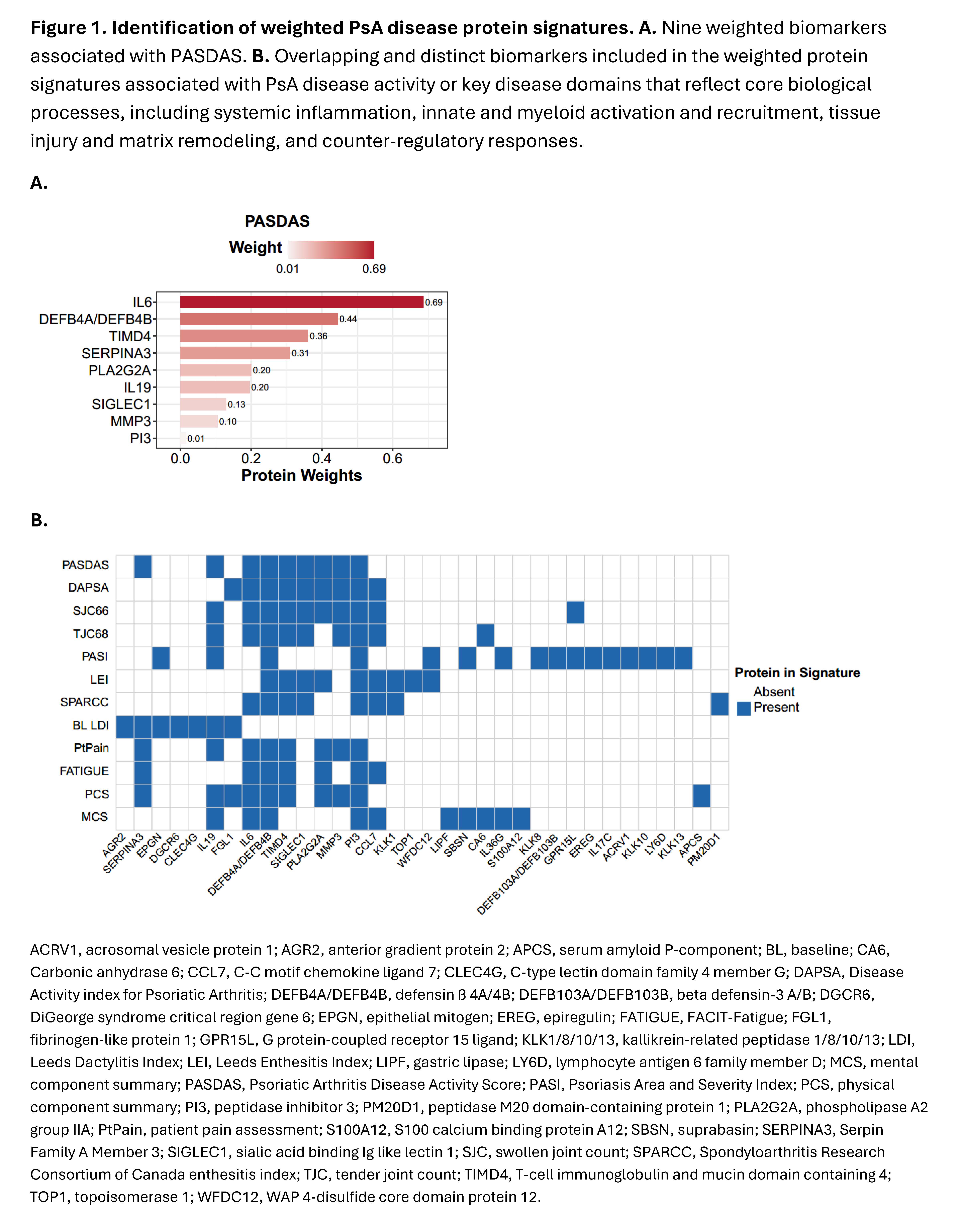
Image 2: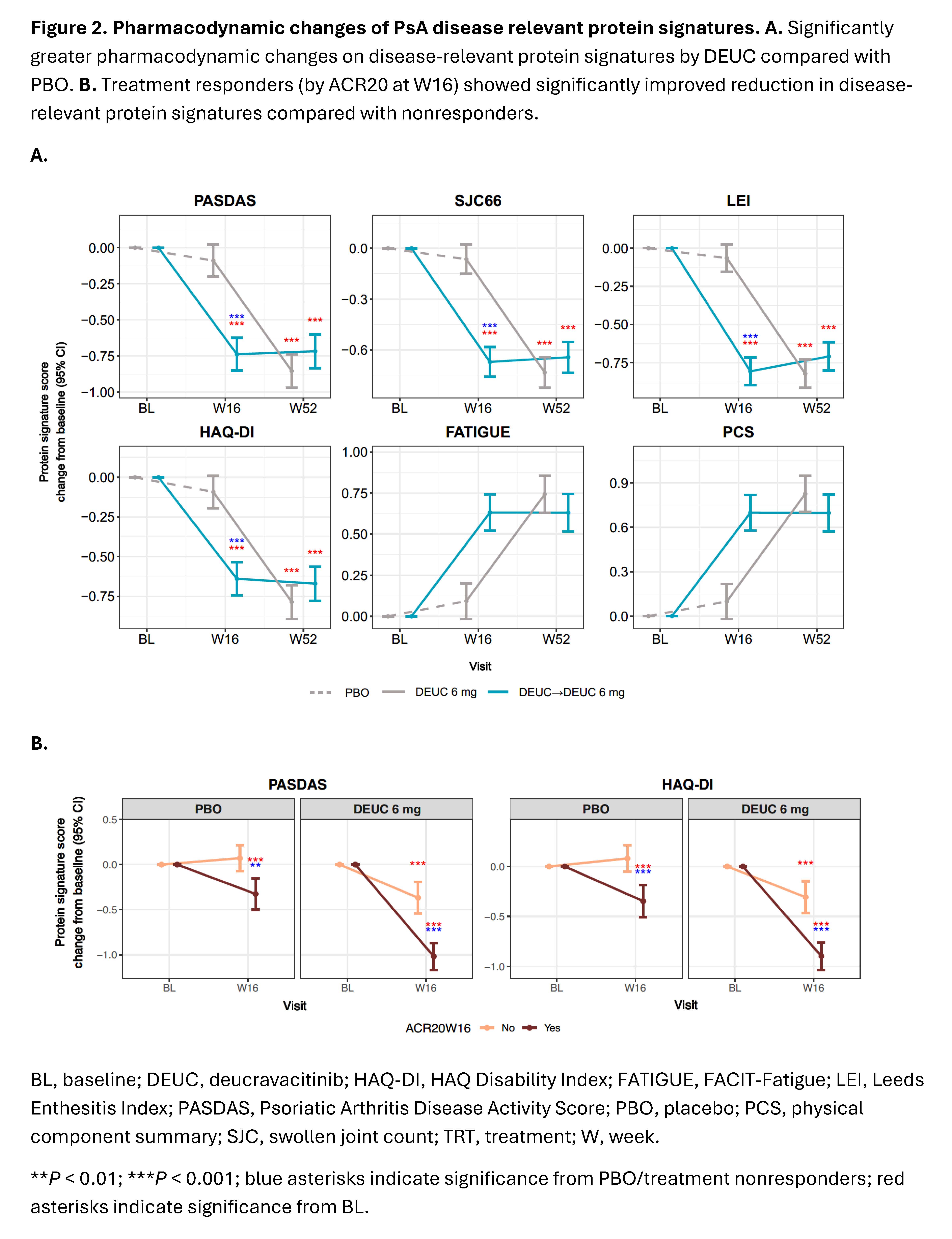 Session TypeGeneral TopicsFormat
Enter Note
Go to previous page in this tab
Session
